How to Trim Your Cat’s Nails at Home Without the Drama
Author:Arooba
Released:November 12, 2025
Does the living room furniture resemble shredded wheat? Does a simple lap snuggle session suddenly turn into accidental acupuncture? Cats have sharp claws - no way around it -, but you don’t have to tiptoe around them all day. Mastering the art of the trim saves money, upholstery, and sanity. Turning a prickly pet into a well- groomed companion requires the right strategy.
Why Your Cat's Claws Are So Dangerous (And How to Fix It)
Cats do not sharpen their claws to be destructive; they do it to shed old nail sheaths and mark territory. However, indoor cats often lack the rough surfaces needed to naturally file them down. Without intervention, these sharp points become hazards to human skin and fabric. More importantly, neglecting paw care can lead to health issues.
Regular grooming is essential for preventing overgrown nails, which can curl back and painfully puncture the paw pad. This condition often requires veterinary intervention, so routine maintenance at home serves as a preventative health measure.
The Tools You Actually Need to Trim Cat Nails Safely
Attempting a trim with dull office scissors is a recipe for disaster. Success relies heavily on having the proper equipment ready before touching a paw. The market offers various options, but selecting specific tools makes the job significantly easier.
Choosing the Right Trimmer
There are three main types of cutters available, each with distinct advantages:
Scissor-Style Clippers: These look like small scissors with a notch in the blade to hold the nail. They offer excellent control and are generally the best choice for beginners or cats with smaller claws.
Guillotine Clippers: These feature a loop where the nail sits, and a blade slices across when the handles are squeezed. They are efficient but require a bit more precision to avoid crushing the nail.
Grinders: Electric rotary tools that file the nail down. While they leave a smooth finish, the noise and vibration can be terrifying for some animals.
Regardless of the style chosen, using safe clippers for pets is mandatory. Human nail clippers can split or crush a cat's claw, causing pain and jagged edges. Sharp, pet- specific blades ensure a clean, quick cut.
The Safety Net: Styptic Powder
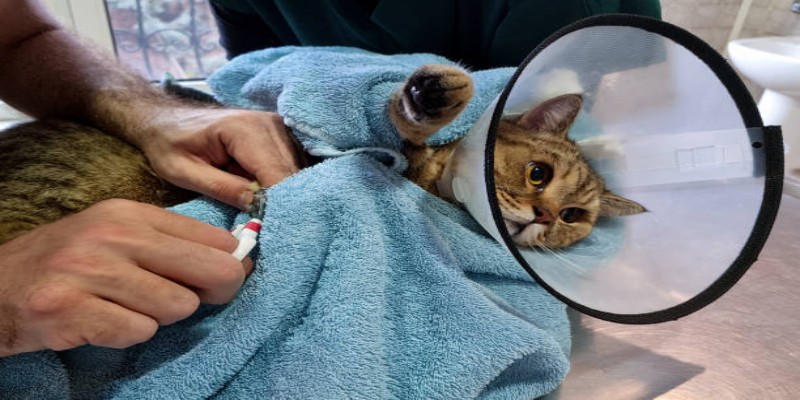
Accidents happen. Even professional groomers occasionally cut too short. Styptic powder (or a styptic pencil) stops bleeding immediately if the "quick" is nicked. Having this open and within arm's reach prevents panic and blood stains on the carpet.
Cornstarch can work in a pinch, but commercial powder is far more effective.
Knowing Your Cat's Nail
A cat's claw has two main parts: the hard outer shell (the part to cut) and the quick.
The quick is the pinkish area in the center of the nail, containing nerves and blood vessels. Cutting into quick is painful and causes bleeding. On cats with light-colored nails, the quick is easily visible as a pink triangle at the base. The goal is to trim only the sharp, white, translucent hook at the very tip, staying well clear of the pink area.
For cats with dark or black nails, the quick is hidden. The safest technique here involves trimming only the very tiny tip of the nail, just the sharpest point, or looking at the nail from the underside to see where the solid tissue ends.
Step-by-Step Guide to Trim Your Cat's Nails
Once the tools are ready and the subject is relatively calm, the process can begin.
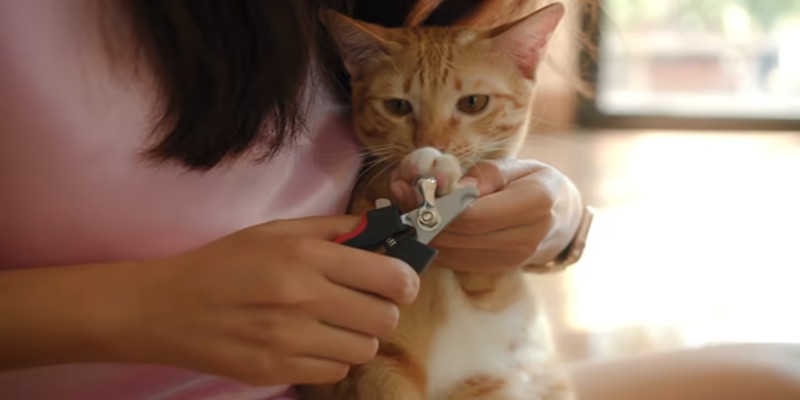
Position the Cat: Place the cat in a secure position. For a right-handed trimmer, holding the cat against the torso with the left arm often provides stability.
Isolate the Paw: Take one paw gently but firmly.
Extend the Claw: Cats have retractable claws. To expose the nail, place the thumb on top of the paw joint and the index finger on the pad. Squeeze gently to push the claw forward.
The Cut: visually identify the quick. Position the clippers perpendicular to the nail. Snip the very tip of the white hook. It is better to cut too little than too much.
Release and Reward: If the cat remains calm, proceed to the next nail. If the tail starts swishing orthe ears flatten, release the cat and offer a treat.
It is rare to finish all four paws in one sitting. Doing one or two nails a day is perfectly acceptable. The objective is cat nail trimming without trauma. If the cat learns that trimming equals a fight, future sessions will become increasingly difficult.
Establishing a Routine
Consistency turns a frightening ordeal into a mundane chore. Checking the nails every two weeks is a good standard. Not every check requires a cut, but the regular inspection keeps the owner aware of the nail health.
The goal is a functional maintenance routine, not a perfect salon finish. If only three claws get trimmed before the cat decides the session is over, that is a victory. The remaining claws can wait for tomorrow. With the right tools, a bit of patience, and a steady hand, the days of shredded furniture and scratched arms can become a thing of the past.
Related Posts

How to Cook Balanced, Healthy Meals for Your Dog at Home
Cat Diabetes Can Start Quietly — Here’s What to Watch For

7 Simple Ways to Help Your Dog Stay Cool in Hot Weather
Cat Sleep Positions Explained: What Each Pose Really Means

Do Dogs and Cats Really Take On Their Owner’s Personality?